What We Do
Our work focus on the intersection of Global Health, Community Health, and Infectious Disease
Current Projects and Programs
-
![]()
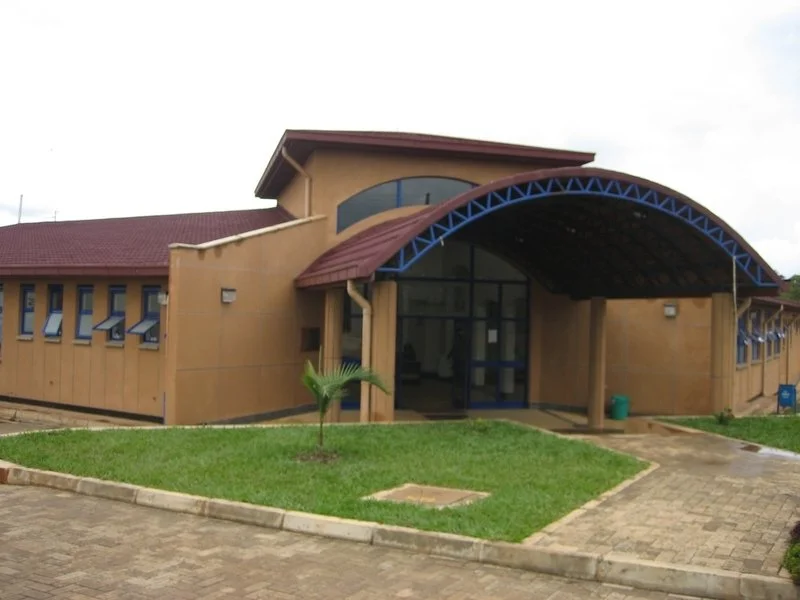
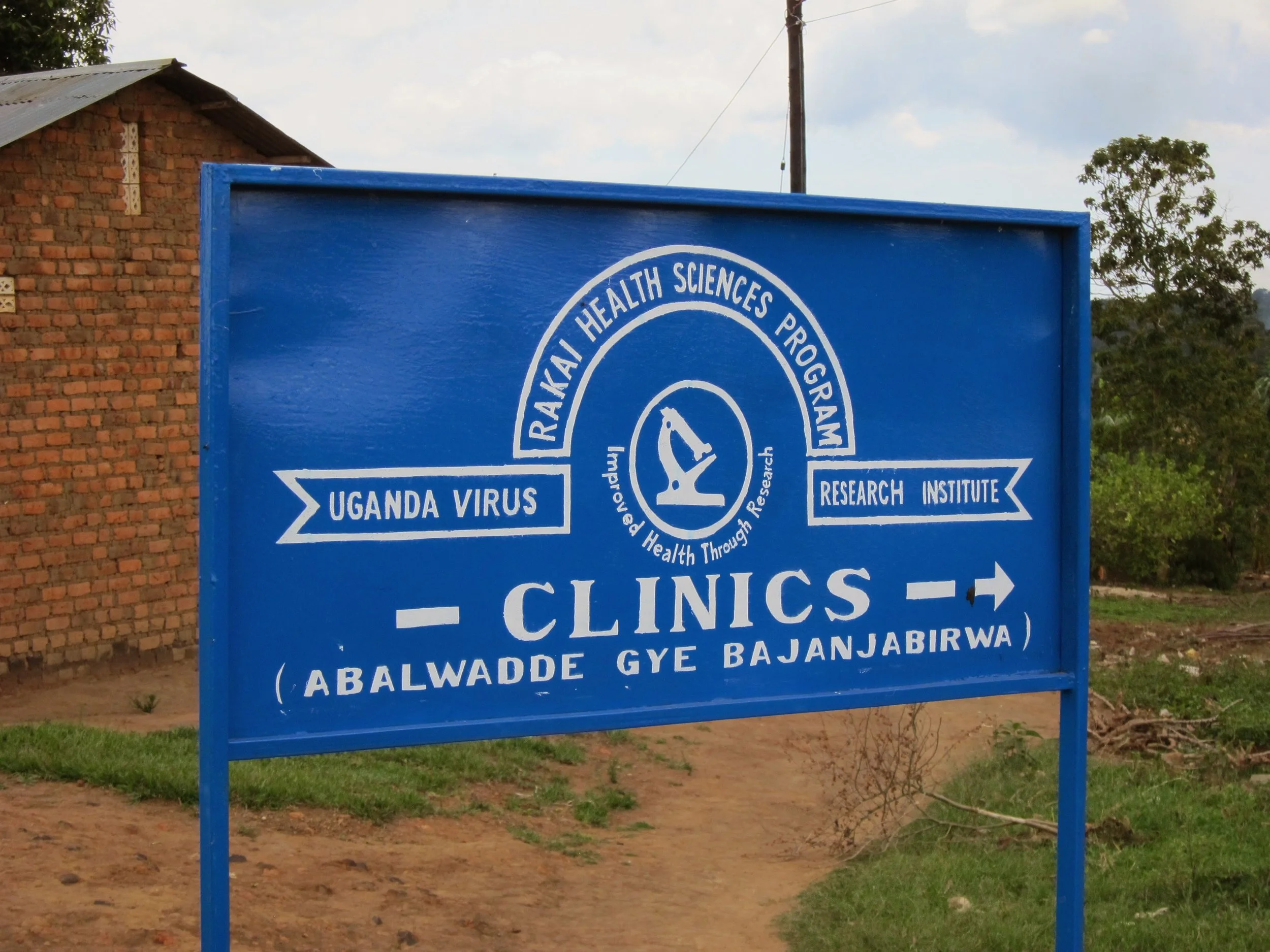
The Rakai Health Sciences Program (RHSP)
Conducting research and strengthening care to improve health outcomes in Uganda and beyond.
The Rakai Health Sciences Program (RHSP) is an independent, Ugandan-led organization in south central Uganda with a vision to excel in health research and disease prevention and care.
-
![]()
Behavioral Health Equity Across Maryland (BHEAM)
Providing outpatient, community-based mental health care to immigrants.
Behavioral Health Equity Across Maryland (BHEAM) offers free, culturally and linguistically tailored behavioral health services to uninsured, Spanish‑speaking adults in Maryland. It provides outreach, clinical care, therapy, case management, and navigation to resources in Spanish, with a team of bilingual therapists, community health workers, and case managers working in partnership with community organizations.
-
![]()
The Access Partnership (TAP)
Improving access to compassionate, evidence-based care at Johns Hopkins Medicine for patients with need.
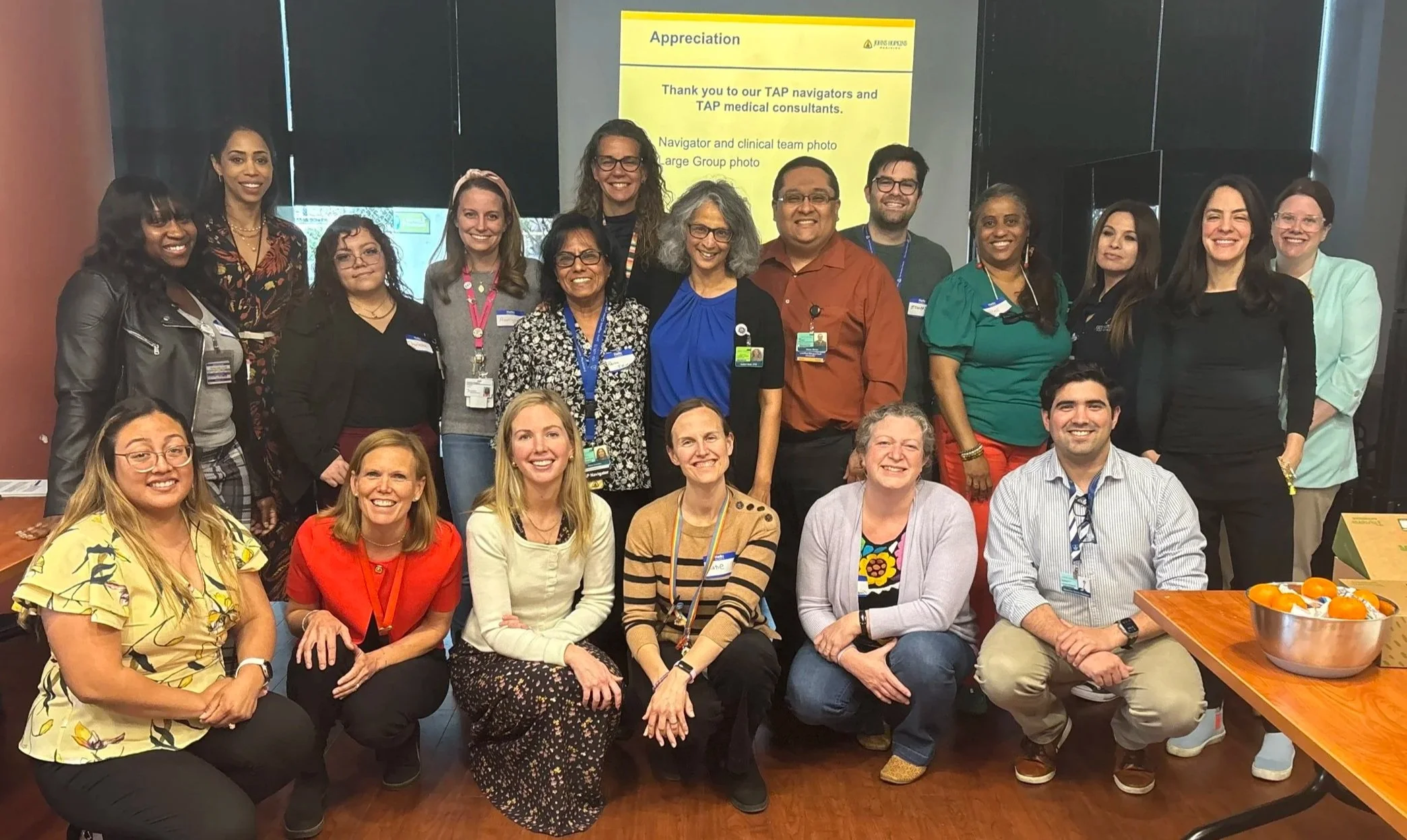
The Access Partnership (TAP) helps bridge gaps in specialty care for uninsured patients by connecting eligible patients to qualifying Johns Hopkins specialty services at no cost. TAP’s mission is to provide compassionate, evidence-based care to uninsured individuals with documented financial need. It is not health insurance, but a charitable program for those without coverage through employment, school, or public or private plans. Patients are referred to TAP through Johns Hopkins–affiliated hospitals and participating community clinics in Baltimore.
-
![]()
The SPOT Van
Delivering low barrier care for people with substance use disorder through mobile services.
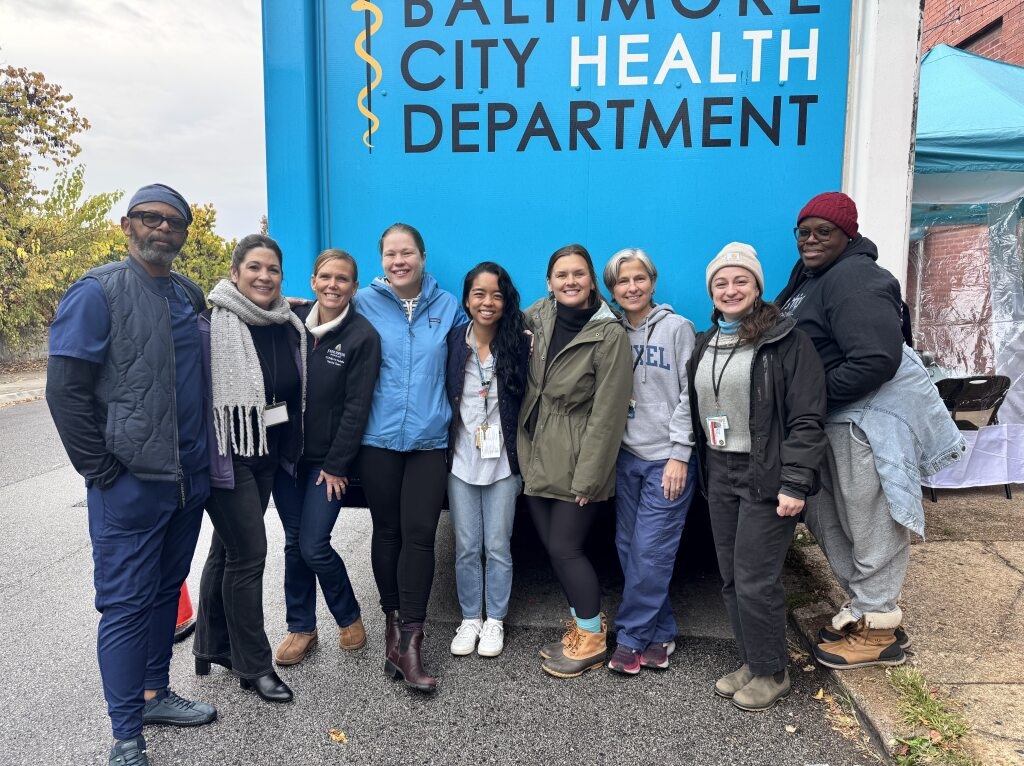
The SPOT Mobile Clinic is dedicated to improving access to effective care by offering low-barrier, person-centered care grounded in humanism, social justice, and harm reduction for people who use drugs and individuals experiencing homelessness. Established in 2018 as a partnership between Johns Hopkins University School of Medicine and the Baltimore City Health Department, the team provides free, integrated services such as opioid use disorder treatment, infectious disease testing and care, wound care, mental health support, vaccinations, harm-reduction services, and case management.
-
![]()
Latino HIV Community Outreach
Linking the Latino community to HIV testing, care, and resources for healthier living.
For over 15 years, in partnership with Latino advocates and health departments, our team has provided HIV testing, navigation to services, and developed social marketing materials to inform, destigmatize, and improve access to care. Solo Se Vive Una Vez offers free, confidential HIV testing and connects participants with resources for treatment, prevention, and ongoing care. The program empowers individuals to understand their risk, take charge of their health, and access the services they need to live healthy lives.
-
![]()
Partnership with the HEAL Refugee Health & Asylum Collaborative
Expanding access to health care and supportive services for refugee and asylum seekers.
In partnership with CCGHE-ID, HEAL improves access to responsive health care and supportive services for immigrant survivors of torture and trauma. The HEAL Refugee Health & Asylum Collaborative is comprised of the Johns Hopkins School of Medicine, Esperanza Center, Asylee Women Enterprise, and Loyola University Maryland. HEAL leverages the unique strengths of each of its partnership institutions, providing an innovative and interprofessional center of excellence in refugee health and asylum medicine. A core HEAL service is providing access to pro bono forensic medical-legal evaluations to clients in the Baltimore area and beyond.
-
![]()
Redes Program
Advancing prevention strategies for infectious disease through community health workers.
The Redes Program is a peer network and mobile health (mHealth) enhanced CHW model to maximize COVID-19 vaccination among low income Latinos.



Recent Projects and Programs
-
![]()
The Johns Hopkins-Rakai Health Sciences Program-Makerere University Fogarty Training Program
Strengthening research and training to fight infectious disease in Uganda and beyond.
The program built on a 30-year legacy to improve multidisciplinary efforts to reduce HIV in Uganda and beyond. It strengthened capacity in implementation science, geospatial analysis, and virology/immunology to help Ugandan institutions better address the epidemic. Training occurred from bachelor to post-graduate levels in Uganda and the U.S., and the program was led by Drs. Fred Nalugoda, Godfrey Kigozi, and Larry Chang.
-
![]()
Leveraging mHealth and peers to Engage African-Americans and Latinos in HIV care (LEAN)
Using mHealth to improve HIV care and retention for African American and Latino communities in Baltimore.
We evaluated whether a health department–driven, mHealth-enhanced Linkage to Care and Retention (mLTCR) intervention improved HIV outcomes among African Americans and Latinos living with HIV compared to standard Baltimore City Health Department linkage-to-care protocols.
-
![]()
Venezuelan Humanitarian Crisis
Documenting public health impacts and HIV care among Venezuelan migrants in Colombia.
Our team partnered with Human Rights Watch to document the impact of the Venezuelan humanitarian crisis on public health. Together with the Johns Hopkins Center of Humanitarian Health and the Center for Public Health and Human Rights, we have partnered with the local organization Red Somos to conduct the Bienvenir study and estimate the HIV prevalence and continuum of care among Venezuelan Migrants in Colombia (PI Andrea Wirtz, PhD).
-
![]()
Violence Victimization Among Latino Immigrants
Exploring experiences of violence and discrimination among Latino immigrants in Maryland.
This project examined the experience of violence and discrimination among Latino immigrant adults in Maryland using qualitative methods.